
Design & Inspiration
Room to breathe: dividing spaces with metal curtains
Create definition within an open interior by considering sightlines, light and the changing needs of a room.
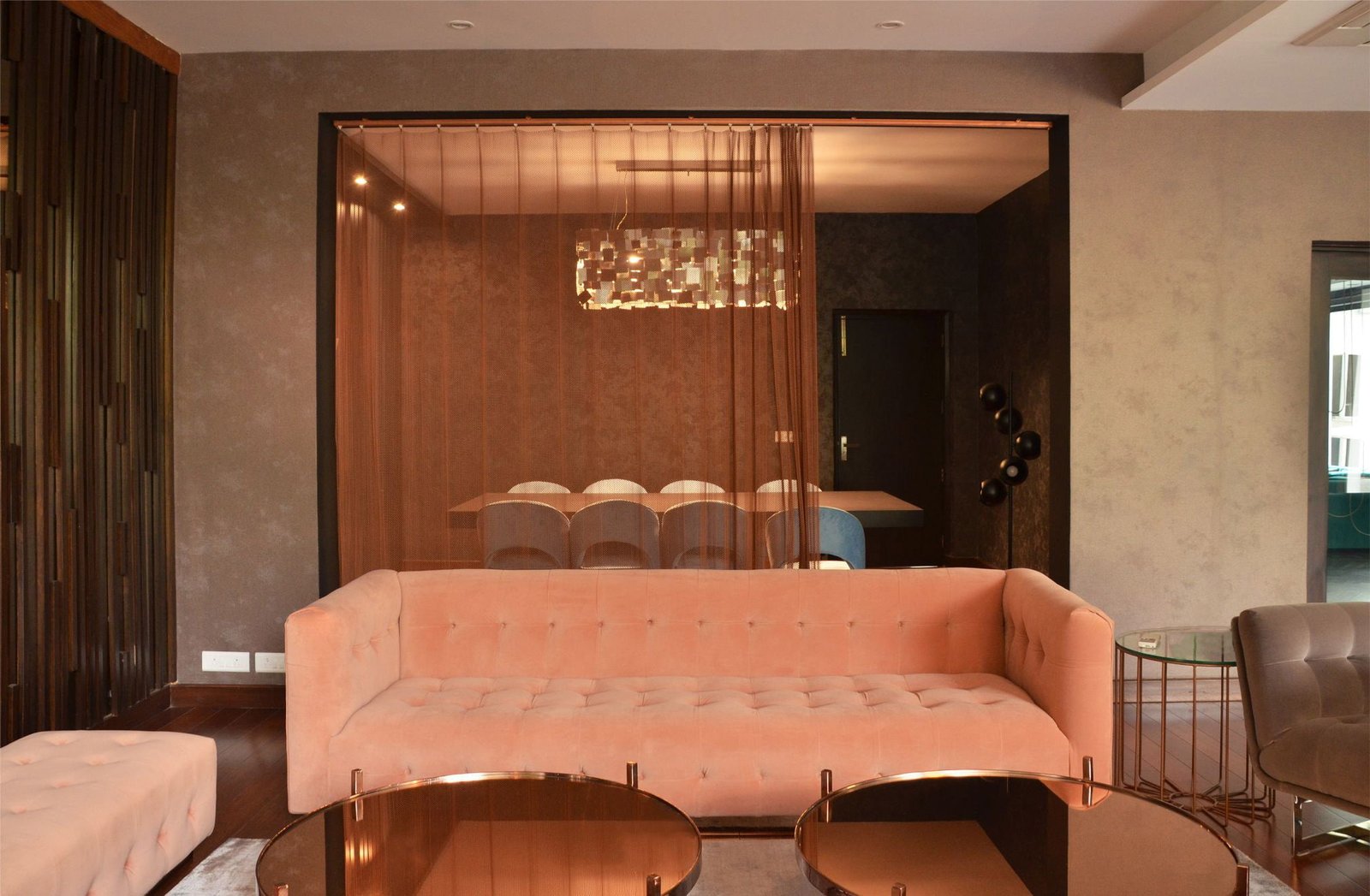
An open room can feel generous and difficult to organise at the same time. A dining table sits within view of the entrance; a quiet corner competes with the activity around it. The design question is how to give each area its own place while keeping the qualities that made the open plan appealing.
Begin with the view through the room
Before choosing a partition, trace the views you want to keep. Stand at the entrance, sit at the dining table and look back from the far end of the room. These different viewpoints reveal where a boundary would help and where it might interrupt a useful connection.
A metal curtain introduces a patterned layer between those viewpoints. Its visual presence comes from both the metal and the openings between it. A short length can frame a corner, while a longer run can establish the edge of a seating or dining area.
Decide how much separation you need
Visual definition and full privacy are different requirements. Metal fabric can help an area feel distinct, but the view through it depends on the selected pattern, its arrangement and the lighting on either side. If privacy matters, assess a sample from the positions people will actually occupy.
Also decide whether the boundary should be fixed or movable. Where an opening system is part of the brief, consider the clear opening and where the curtain will sit when drawn aside. These decisions belong in the layout discussion, before the finish is chosen.
Let the finish belong to the room
Look for a relationship with something already present: a timber tone, a light fitting, a stone surface or the darker details of the furniture. A warm metallic shade can introduce contrast to a pale interior; a darker finish can give a boundary a more graphic outline.
The aim need not be an exact colour match. A considered contrast often gives the material a clearer role. Compare samples beside the other finishes and under the room’s intended light, rather than making the decision from a screen alone.
Resolve the edges
A convincing partition includes its top, sides and lower edge. Think about where it begins, how it meets adjacent surfaces and whether furniture or circulation passes close to it. The support and fixing details need to be developed for the selected fabric and the site.
Start with one useful boundary. When its position, openness and finish are chosen together, a metal curtain can bring order to an interior while keeping the next space part of the experience.